Immersive Room

Virtual Reality

Virtual Environments

Augmented Reality

Interactive E-Learning

Program highlights

The program takes the learner through several stages of electrotechnical engineering from preparation and installation, inspection and testing as well as fault diagnostics.

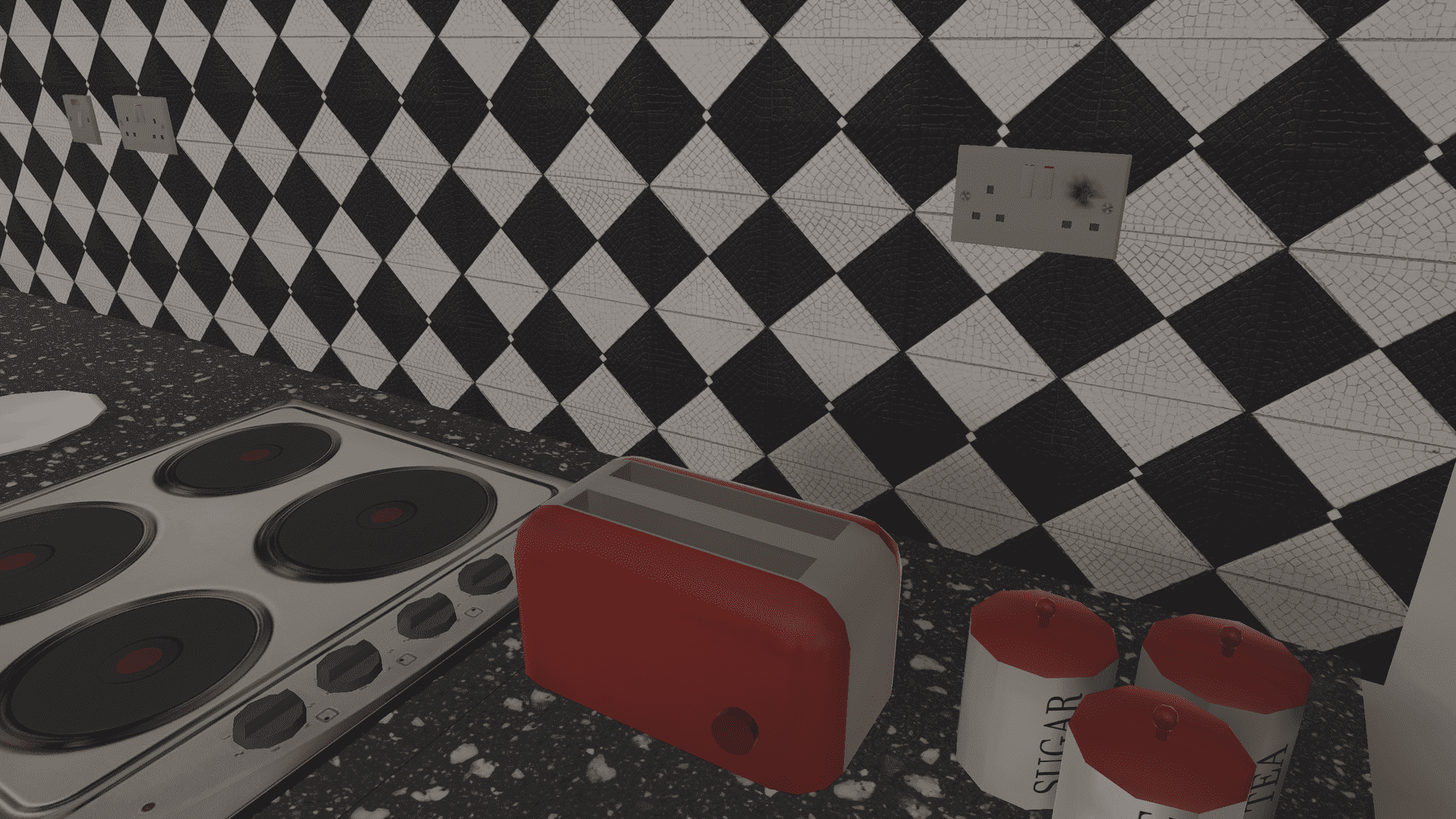
There are two immersive virtual scenarios that give the learner the opportunity to carry out an inspection of a domestic dwelling and repair a faulty immersion heater.

This online environment provides a safe, realistic place to test their knowledge, make mistakes without real life consequences and boost their skills attainment.

Start your two-week free trial today and see the difference for yourself!

Program brochure

Learning outcomes

By completing this program it is expected that learners will:

  • Have an understanding of the principles and concepts.
  • Understand their position within the electrical industry.
  • Know how to ‘climb the ladder’ within the industry.
  • Have increased confidence working with equipment.
  • Develop a systematic approach to fault finding and analysis.

Standards supported

The program has been designed by our partners to align with Level 3 NVQ Diploma in Electrotechnical Services (Maintaining Electrotechnical Systems).

Contents

This program contains the following virtual scenarios and e-learning modules:

By completing this scenario it is expected that learners will:

  • Click on the relevant electrical points.
  • Decide whether it is faulty.
  • If faulty, identify why.

By completing this scenario it is expected that learners will:

  • Inspect the relevant parts of the system.
  • Replace any parts that you identify as damaged.
  • Test to confirm that the problem has been resolved.

By completing this module it is expected that learners will:

  • Relevant Health and Safety legislation applies in the workplace.
  • Procedures for dealing with Health and Safety in the work environment.
  • Procedures for establishing a safe working environment.
  • The requirements for identifying and dealing with hazards in the work environment.

By completing this module it is expected that learners will:

  • Relevant Health and Safety legislation applies in the workplace.
  • Procedures for dealing with Health and Safety in the work environment.
  • Procedures for establishing a safe working environment.
  • The requirements for identifying and dealing with hazards in the work environment.

By completing this module it is expected that learners will:

  • The types of technical and functional information that is available.
  • The procedures for supplying technical and functional information to relevant people.
  • The requirements for overseeing Health and Safety in the work environment.
  • The requirements for liaising with others when organising and overseeing work activities.
  • The requirements for organising and overseeing work programmes.

By completing this module it is expected that learners will:

  • Procedures, practices, statutory and non-statutory regulatory requirements for preparing work sites for installation of wiring systems and associated equipment.
  • Procedures for checking work location prior to commencement of work activities.
  • Practices, procedures and regulatory requirements for completing the safe isolation of electrical circuits and complete electrical installations.
  • Types, applications and limitations of wiring systems and associated equipment.
  • Procedures for selecting and using tools, equipment, and fixings for the installation of wiring systems, associated equipment, and enclosures.
  • Procedures for installing wiring systems, associated equipment, and enclosures.
  • The regulatory requirements which apply to the installation of wiring systems, associated equipment and enclosures.

By completing this module it is expected that learners will:

  • The characteristics and applications of consumer supply systems.
  • The principles of internal and external earthing arrangements.
  • The principles for selecting cables and circuit protection devices.
  • The principles and procedures for selecting wiring systems, equipment and enclosures.

By completing this module it is expected that learners will:

  • The principles, regulatory requirements and procedures for completing the safe isolation of electrical circuits and complete electrical installations.
  • The regulatory requirements and procedures for terminating and connecting conductors, cables and flexible cords in electrical wiring systems and equipment.
  • The procedures and applications of different methods of terminating and connecting conductors, cables and flexible cords in electrical wiring systems and equipment.

By completing this module it is expected that learners will:

  • The principles, regulatory requirements, and procedures for completing the safe isolation of an electrical circuit and complete electrical installations in preparation for inspection, testing and commissioning.
  • The principles and regulatory requirements for inspecting, testing, and commissioning of electrical systems, equipment and components.
  • The regulatory requirements and procedures for completing the inspection of electrical installations.
  • The regulatory requirements and procedures for the safe testing and commissioning of electrical installations.
  • The procedures and requirements for the completion of electrical installation certificates and related documentation.

By completing this module it is expected that learners will:

  • The principles, regulatory requirements, and procedures for completing the safe isolation of electrical circuits and complete electrical installations.
  • How to complete the reporting and recording of electrical fault diagnosis and correction work.
  • How to complete the preparatory work prior to fault diagnosis and correction work.
  • The procedures and techniques for diagnosing electrical faults.

By completing this module it is expected that learners will:

  • Mathematical principles which are appropriate to electrical installation, maintenance, and design work.
  • Units of measurement used in electrical installation, maintenance and design work.
  • Basic mechanics and the relationship between force, work, energy and power.
  • The relationship between resistance, resistivity, voltage, current and power.
  • The fundamental principles which underpin the relationship between magnetism and electricity.
  • Electrical supply and distribution systems.
  • How different electrical properties can affect electrical circuits, systems and equipment.
  • The operating principles and applications of DC machines and AC motors.
  • The operating principles of different electrical components.
  • The principles and applications of electrical lighting systems.
  • The principles and applications of electrical heating.
  • The types, applications and limitations of electronic components in systems and equipment.

Program partners

Developed in partnership with the following organisations:

logo img logo img logo img logo img

Keep up-to-date

For the latest news, insights, program developments and thought leadership from Metaverse Learning, subscribe to our newsletter and download our brochure.